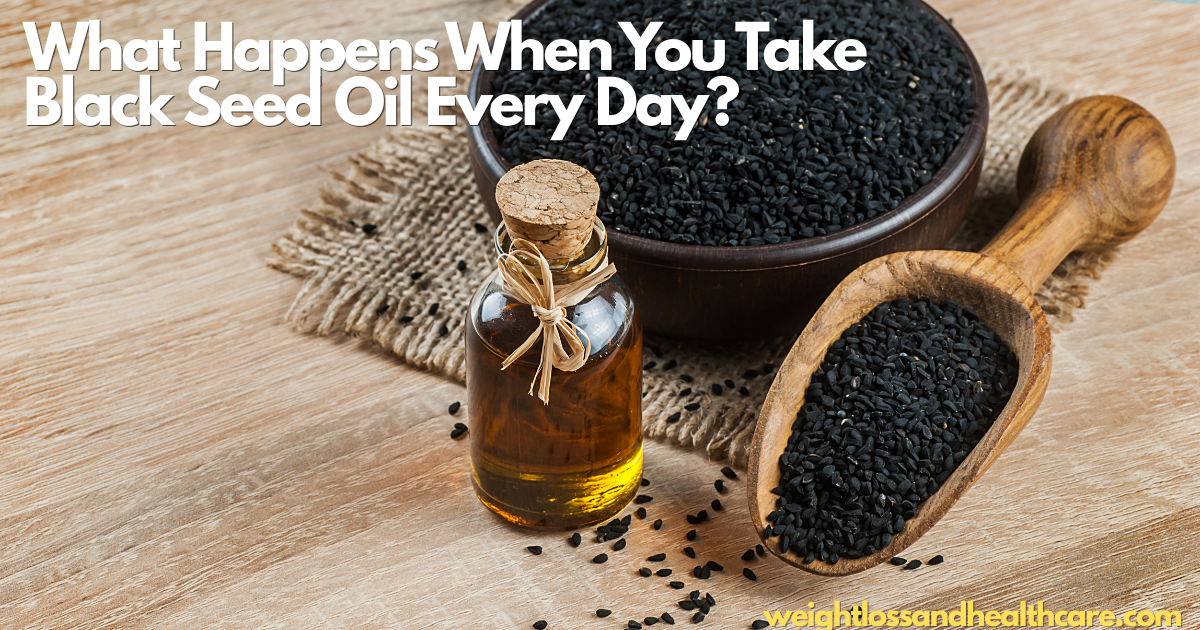
Black Seed Oil Benefits: 10 Potential Health Benefits of Nigella Sativa Oil
Black seed oil has been used as a traditional natural remedy for centuries, but in recent years it has attracted increasing attention from researchers and health-conscious consumers.
Made from the small black seeds of Nigella sativa, black seed oil contains a variety of naturally occurring compounds, including thymoquinone, which is thought to be responsible for many of its biological properties.
You may have heard black seed oil referred to as “black cumin seed oil” or simply “black seed.” Despite the name, it isn’t the same as the cumin commonly used as a culinary spice.
So, what are the potential benefits of black seed oil, and is there scientific evidence behind the claims?
From antioxidant activity and inflammation to blood sugar, cholesterol and skin health, research suggests that black seed oil may have several interesting health properties. However, it is important to distinguish promising research from proven medical treatments.
Let’s take a closer look at what the research currently tells us.
What Is Black Seed Oil?
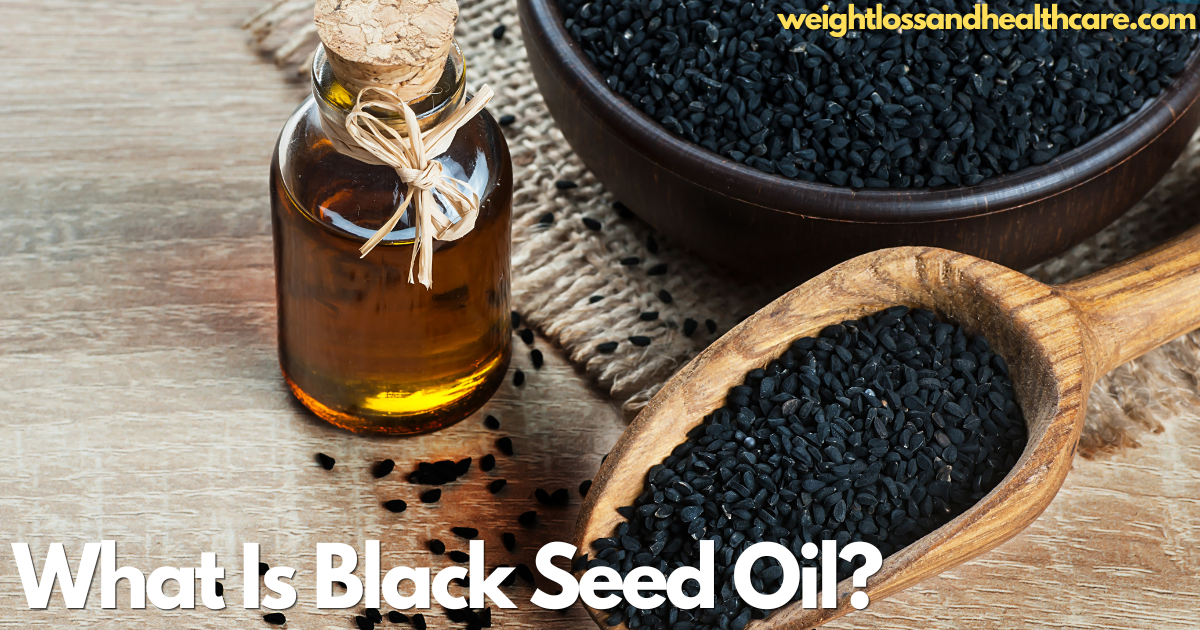
Black seed oil comes from the seeds of the flowering plant Nigella sativa, which belongs to the Ranunculaceae family.
The plant is native to parts of Southwest Asia and the Mediterranean region and has been used traditionally in Middle Eastern, Asian and North African cultures.
The seeds contain numerous naturally occurring compounds, including:
- Thymoquinone
- Thymohydroquinone
- Thymol
- Carvacrol
- Essential fatty acids
- Phytosterols
- Polyphenolic compounds
Thymoquinone is particularly interesting to researchers because laboratory and animal studies suggest that it has antioxidant and anti-inflammatory properties.
Black seed oil is generally consumed in small amounts or used topically on the skin. It is also available in capsules and other supplement forms.
While traditional use has a long history, modern research is still investigating exactly how black seed compounds may affect human health.
1. Black Seed Oil Is Rich in Antioxidant Compounds
One of the most interesting potential benefits of black seed oil is its antioxidant activity.
Antioxidants help protect cells from oxidative stress caused by unstable molecules known as free radicals.
Oxidative stress is a normal part of metabolism, but excessive oxidative stress can contribute to cellular damage.
Black seed contains compounds such as thymoquinone, thymol and carvacrol that have demonstrated antioxidant activity in laboratory research.
This doesn’t mean that taking black seed oil will automatically prevent disease or reverse existing damage. Human research is needed to determine how these laboratory findings translate into meaningful health benefits.
Nevertheless, the antioxidant properties of Nigella sativa are one reason scientists continue to investigate this traditional plant.
2. May Help Support a Healthy Inflammatory Response
Inflammation is another area where black seed oil has attracted considerable research interest.
Inflammation is an essential part of the body’s normal immune response. It helps the body respond to injury and potential threats.
The problem occurs when inflammatory processes become excessive or persist for long periods.
Studies investigating compounds found in Nigella sativa, particularly thymoquinone, suggest that they may influence several biological pathways involved in inflammation.
Some human studies have also investigated black seed supplementation in people with inflammatory conditions, although results have varied.
Therefore, it is more accurate to describe black seed oil as a potential supporter of a healthy inflammatory response rather than claiming that it is a treatment for inflammatory disease.
A healthy diet, regular physical activity, adequate sleep and maintaining a healthy body weight remain important foundations for managing inflammation.
3. May Support Healthy Blood Sugar Levels
Blood sugar management is another promising area of research.
Some clinical studies have investigated Nigella sativa supplementation in people with type 2 diabetes, prediabetes or metabolic problems.
Research has suggested that black seed may have modest effects on measures such as fasting blood glucose and other markers of blood sugar control.
However, the studies have generally been relatively small, and research methods and doses have differed.
This means black seed oil should not be considered a replacement for prescribed diabetes medication or an established diabetes management plan.
Instead, it may be an interesting complementary nutritional ingredient worth discussing with a healthcare professional.
For people trying to support healthy blood sugar levels naturally, black seed oil should be viewed as one small part of a much bigger picture that includes diet, exercise, sleep and weight management.
4. May Help Maintain Healthy Cholesterol Levels
High cholesterol is a major cardiovascular risk factor, which is why maintaining healthy cholesterol levels is important.
Research into Nigella sativa has examined its potential effects on cholesterol and triglycerides.
Some clinical trials and reviews have reported improvements in certain lipid measurements following supplementation.
However, results aren’t completely consistent, and the effects can vary depending on the preparation, dosage and length of supplementation.
Black seed oil should therefore not be regarded as a substitute for cholesterol-lowering medication when medication has been recommended.
A heart-friendly lifestyle remains much more important.
This includes eating plenty of vegetables, fruit, legumes and whole grains, choosing healthy sources of fat, getting regular exercise and avoiding smoking.
Black seed oil may be an interesting addition to a healthy lifestyle, but it shouldn’t be viewed as a magic solution for cholesterol.
5. Black Seed Oil May Support Respiratory Health
Traditional medicine has used black seed for respiratory complaints for generations.
Modern researchers have also investigated Nigella sativa in relation to respiratory health.
Some small clinical studies have explored its potential effects in people with conditions such as asthma and allergic respiratory symptoms.
There is evidence suggesting that compounds in black seed may influence inflammatory and immune pathways involved in respiratory health.
However, evidence is still developing.
Anyone with asthma or another respiratory condition should continue using their prescribed treatment and shouldn’t replace an inhaler or other medication with black seed oil.
The most sensible approach is to consider black seed oil an area of nutritional research rather than a proven respiratory treatment.
6. May Support Immune Function
Your immune system is constantly working to protect you from bacteria, viruses and other potential threats.
Nutrition plays an important role in supporting normal immune function.
Black seed contains several biologically active compounds that researchers have investigated for potential effects on immune responses.
Some studies suggest that Nigella sativa may influence aspects of immune activity and inflammatory signalling.
However, “boosting” the immune system isn’t necessarily the goal.
A properly functioning immune system needs to be regulated rather than permanently stimulated.
Getting sufficient sleep, eating a varied diet, exercising regularly and maintaining good overall health are still the most important strategies for supporting normal immune function.
Black seed oil may complement these habits, but more human research is required to establish its specific effects.
7. May Benefit Skin Health
Black seed oil isn’t only consumed as a supplement. It is also used topically in some skincare products.
The oil contains fatty acids and plant compounds that may help moisturise and protect the skin.
Its antioxidant and anti-inflammatory properties have also prompted research into its potential role in skin health.
Some small studies have investigated topical Nigella sativa preparations for skin conditions and wound-related applications.
Although the findings are interesting, more high-quality research is needed.
If you’re applying black seed oil directly to your skin, consider testing a small area first. Natural products can still cause irritation or allergic reactions in some individuals.
8. May Support Digestive Health
Traditional uses of black seed include supporting digestion and general gastrointestinal health.
Researchers have investigated Nigella sativa for several digestive-related effects, including its antioxidant and anti-inflammatory properties.
However, evidence specifically showing that black seed oil improves everyday digestive symptoms is still limited.
If you’re experiencing persistent bloating, abdominal pain, diarrhoea, constipation or other digestive symptoms, it’s important to investigate the underlying cause rather than simply relying on supplements.
A healthy digestive system benefits from a diet containing adequate fibre, vegetables, fruit, legumes and whole grains, alongside sufficient hydration and regular movement.
Black seed oil may be interesting as part of a broader wellness routine, but it isn’t a substitute for medical assessment when symptoms persist.
9. May Support Heart Health
The potential effects of black seed on cholesterol, triglycerides, blood pressure and oxidative stress have led researchers to investigate whether Nigella sativa could have broader cardiovascular benefits.
Some clinical research has reported modest improvements in cardiovascular risk markers.
For example, studies have investigated its effects on blood pressure and blood lipid levels.
However, research findings aren’t strong enough to conclude that black seed oil prevents heart disease.
Heart health is influenced by many factors, including:
- Blood pressure
- Cholesterol
- Blood sugar
- Physical activity
- Body weight
- Diet
- Smoking
- Sleep
- Stress
- Family history
Consequently, black seed oil should be considered a potential nutritional addition rather than a standalone cardiovascular strategy.
10. May Have Antimicrobial Properties
One particularly interesting area of black seed research is its potential antimicrobial activity.
Laboratory studies have found that extracts and compounds from Nigella sativa can interact with various microorganisms.
Thymoquinone and other components appear to contribute to some of these effects.
However, laboratory activity does not automatically mean that consuming black seed oil will treat an infection in humans.
This distinction is extremely important.
Antibiotics and other antimicrobial medicines are specifically tested and prescribed for appropriate infections. Black seed oil shouldn’t be used as a replacement for medical treatment.
Nevertheless, the antimicrobial properties of Nigella sativa remain an interesting area for future research.
Black Seed Oil and Weight Loss
Because this website focuses on weight loss and healthy living, it’s worth addressing one of the questions people often ask:
Can black seed oil help you lose weight?
Some research has investigated Nigella sativa supplementation in relation to body weight, waist circumference and metabolic health.
Certain studies have reported modest changes in body weight or other measurements.
However, black seed oil isn’t a proven weight-loss supplement.
If it has an effect, it is likely to be considerably smaller than the impact of the fundamentals of weight management.
A sustainable approach to weight loss should focus on:
- Eating nutrient-dense foods
- Controlling overall calorie intake
- Eating sufficient protein
- Getting enough fibre
- Exercising regularly
- Strength training
- Getting adequate sleep
- Managing stress
- Maintaining healthy eating habits over the long term
Black seed oil can potentially be incorporated into a healthy lifestyle, but it shouldn’t be marketed as a shortcut to fat loss.
What Makes Black Seed Oil Interesting?
One reason Nigella sativa continues to attract scientific interest is its complex mixture of naturally occurring compounds.
Rather than containing one single active ingredient, black seed contains multiple phytochemicals that may interact with different biological pathways.
Thymoquinone is the compound that receives the most scientific attention.
Research has investigated its potential antioxidant, anti-inflammatory and other biological properties.
It is important, however, to remember that much of the evidence comes from laboratory and animal research.
Human clinical trials are particularly important because a compound can behave very differently inside the human body compared with a laboratory experiment.
This is why promising research should be described as promising rather than definitive.
How Is Black Seed Oil Taken?
Black seed oil is available in several forms.
Liquid oil
Liquid black seed oil can be taken by mouth or incorporated into foods, depending on the manufacturer’s instructions.
It has a strong, distinctive taste that some people find quite intense.
Capsules
Capsules provide a convenient alternative for people who don’t enjoy the taste of the oil.
Topical oil
Some people use black seed oil directly on the skin or choose skincare products containing Nigella sativa.
When using any supplement, follow the manufacturer’s recommended serving rather than assuming that more is better.
How Much Black Seed Oil Should You Take?
There isn’t one universally established dose of black seed oil for general health.
Research studies have used different preparations and amounts, making it difficult to recommend a single evidence-based dosage for everyone.
If you’re considering black seed oil supplementation, start by checking the product label and following its instructions.
It’s also worth remembering that supplements can vary considerably in quality and concentration.
Look for reputable manufacturers that clearly state the ingredients and amount per serving.
If you’re taking prescription medication or have an existing health condition, speak with a doctor or qualified healthcare professional before using black seed oil regularly.
Black Seed Oil Safety and Side Effects
Black seed oil is generally considered well tolerated when used appropriately, but “natural” doesn’t automatically mean risk-free.
Possible side effects can include:
- Stomach discomfort
- Nausea
- Digestive upset
- Headache
- Allergic skin reactions when applied topically
Taking large amounts may increase the risk of adverse effects.
Black seed may also interact with certain medications or affect biological processes such as blood sugar and blood pressure.
This is particularly important for people taking medicines that already lower blood sugar or blood pressure.
Pregnant or breastfeeding women should seek professional medical advice before using concentrated black seed supplements.
If you’re preparing for surgery, tell your healthcare team about supplements you’re taking.
Black Seed Oil vs Black Seed
Although the terms are often used interchangeably, there is a difference between the seed and the oil.
Black seed refers to the whole seed of Nigella sativa.
Black seed oil is produced by extracting oil from those seeds.
The chemical composition can therefore differ depending on the preparation method.
Black seed can be incorporated into food, while black seed oil is more concentrated in its fat-soluble components.
If you’re buying a supplement, read the label carefully to determine whether you’re purchasing whole seed powder, cold-pressed oil, an extract or another preparation.
Choosing a Good Black Seed Oil
If you’re considering purchasing black seed oil, there are several things worth checking.
1. Look for Nigella sativa
The botanical name should be clearly stated on the label.
2. Check the ingredients
Ideally, the label should clearly explain what you’re getting and whether other ingredients have been added.
3. Consider the extraction method
Cold-pressed oils are popular because they are produced without the high temperatures associated with some other extraction processes.
4. Look for quality testing
Independent testing can provide additional confidence regarding purity and the contents of a supplement.
5. Store it correctly
Follow the manufacturer’s storage instructions. Oils can deteriorate when exposed to heat, light and oxygen.
Frequently Asked Questions About Black Seed Oil
What is black seed oil good for?
Black seed oil is being researched for several potential benefits, including antioxidant activity, support for a healthy inflammatory response, blood sugar and cholesterol management, respiratory health and skin health.
However, the strength of evidence varies considerably between these areas.
Can you take black seed oil every day?
Some people use black seed oil daily, but the appropriate amount depends on the product and individual circumstances.
Follow the manufacturer’s instructions and speak with a healthcare professional if you’re taking medication or have an underlying health condition.
Does black seed oil help with inflammation?
Laboratory and some human research suggests that compounds in Nigella sativa, particularly thymoquinone, may influence inflammatory pathways.
More high-quality human research is needed before definitive conclusions can be made.
Does black seed oil help lower cholesterol?
Some clinical studies have reported improvements in cholesterol and triglyceride measurements, although findings aren’t completely consistent.
Black seed oil shouldn’t replace prescribed cholesterol medication.
Can black seed oil help you lose weight?
Some studies have investigated Nigella sativa and body weight, with some reporting modest improvements.
However, there isn’t strong enough evidence to consider black seed oil a reliable weight-loss treatment.
Can black seed oil be used on the skin?
Black seed oil is used in some traditional and modern skincare applications.
If applying it directly to the skin, test a small area first because irritation or allergic reactions are possible.
The Bottom Line
Black seed oil is an intriguing traditional remedy that has attracted growing scientific interest.
Research suggests that compounds found in Nigella sativa, particularly thymoquinone, may have antioxidant and anti-inflammatory properties. Studies have also investigated potential effects on blood sugar, cholesterol, blood pressure, respiratory health, skin and other areas.
However, many of the studies are relatively small, and some of the strongest findings come from laboratory or animal research.
That means black seed oil shouldn’t be viewed as a miracle cure.
Instead, it may be best considered a potentially useful addition to an overall healthy lifestyle.
Eating a nutrient-rich diet, exercising regularly, maintaining a healthy weight, getting adequate sleep and managing stress will have a much greater influence on long-term health than any single supplement.
If you decide to try black seed oil, choose a reputable product, follow the recommended serving size and speak with a healthcare professional if you take medication or have an existing health condition.
As research continues, we may learn more about exactly how the fascinating compounds in Nigella sativa affect human health.
Natural remedies can be valuable, but the best results usually come from combining them with the fundamentals of healthy living.