Herbs to Cleanse the Liver: Evidence, Benefits, and Safe Use
Introduction
The liver is one of the most remarkable organs in the human body. Weighing approximately 1.5 kilograms in adults, it performs more than 500 essential functions that keep us alive and healthy. It filters blood, metabolises nutrients, produces bile for digestion, stores vitamins and minerals, regulates blood sugar, synthesises proteins, and helps process medications, hormones, and toxins. Given its central role in detoxification, it is no surprise that many people seek ways to “cleanse” or “detox” the liver, often turning to herbs that have been used in traditional medicine for centuries.
The concept of a liver cleanse has become increasingly popular in modern wellness culture. Countless supplements and herbal teas claim to detoxify the liver, remove toxins, and restore vitality. While some herbs do contain compounds that may support normal liver function or help protect liver cells from damage, it is important to understand that the liver already possesses sophisticated natural detoxification systems. In healthy individuals, there is no scientific evidence that periodic detoxes or cleanses remove accumulated toxins in the way many marketing claims suggest.
Instead of viewing herbs as miracle cleansers, it is more accurate to think of certain plants as supporting liver health through antioxidant, anti-inflammatory, or hepatoprotective properties. Combined with a healthy diet, moderate alcohol intake, regular physical activity, adequate hydration, and medical care when needed, some herbs may play a supportive role in maintaining liver function.
This article explores the most widely studied herbs traditionally associated with liver health, examines the available scientific evidence, discusses their potential benefits and risks, and explains how they can be incorporated safely into a healthy lifestyle.
Understanding the Liver’s Natural Detoxification System
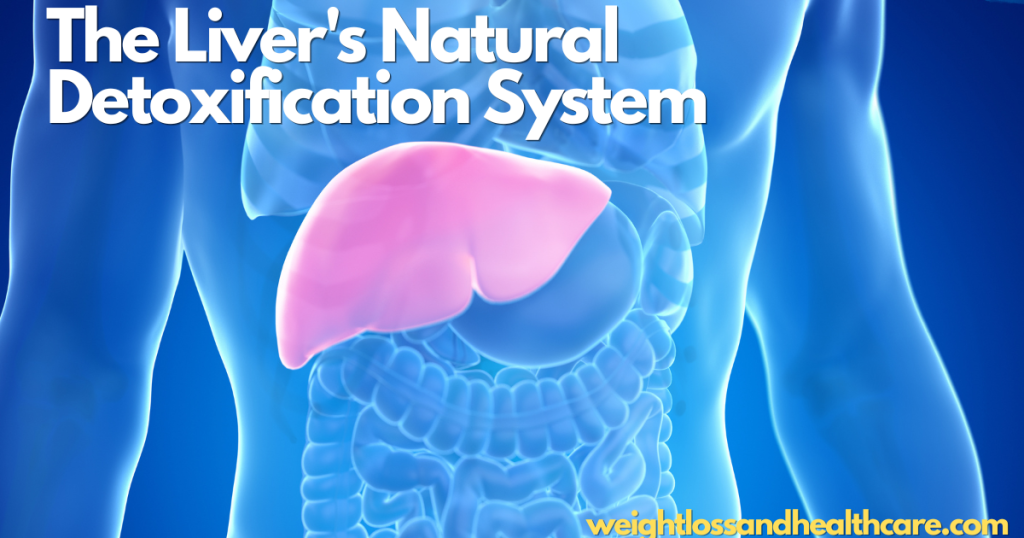
Before examining herbal remedies, it helps to understand how the liver naturally works.
Every day, the liver processes substances entering the bloodstream from food, beverages, medications, and environmental exposures. It converts harmful compounds into less toxic forms that can be eliminated through urine or bile. This process occurs in two main phases.
Phase I detoxification involves enzymes—primarily the cytochrome P450 family—that chemically modify toxins.
Phase II detoxification attaches molecules to these modified compounds, making them water-soluble so they can be excreted safely.
The liver also produces bile, which carries waste products into the digestive tract for elimination. Additionally, it stores glycogen, vitamins A, D, E, K, and B12, regulates cholesterol production, and synthesises clotting proteins.
When the liver becomes damaged through excessive alcohol use, viral hepatitis, obesity, diabetes, or certain medications, these functions can become impaired. Supporting liver health therefore involves reducing unnecessary strain while promoting healthy cellular function.
Milk Thistle (Silybum marianum)
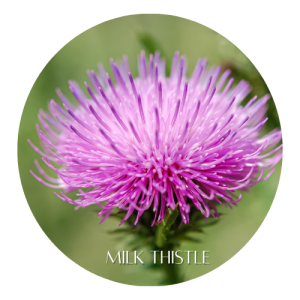
Milk thistle is perhaps the best-known herb associated with liver health. It has been used for more than 2,000 years in traditional European herbal medicine and remains one of the most extensively researched liver-support herbs.
The active ingredient is a group of flavonoids collectively known as silymarin.
Potential Benefits
Research suggests that silymarin may:
- Act as a powerful antioxidant
- Reduce oxidative stress
- Help stabilise liver cell membranes
- Support regeneration of damaged liver tissue
- Reduce inflammation
- Protect against certain toxins
Several studies have examined milk thistle in people with fatty liver disease, hepatitis, and alcohol-related liver damage. While results have been mixed, many suggest modest improvements in liver enzyme levels.
Milk thistle is not considered a cure for liver disease, but it may provide supportive benefits alongside conventional treatment.
Traditional Uses
Historically, herbalists recommended milk thistle for:
- Jaundice
- Digestive complaints
- Liver congestion
- Gallbladder disorders
- Mushroom poisoning (under medical supervision)
Safety
Milk thistle is generally well tolerated.
Possible side effects include:
- Mild digestive upset
- Diarrhoea
- Nausea
- Allergic reactions in individuals sensitive to ragweed-related plants
People taking medications for diabetes or blood thinning should consult a healthcare professional before use.
Dandelion Root (Taraxacum officinale)
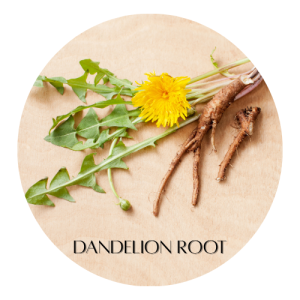
Often dismissed as a common weed, dandelion has a long history in traditional herbal medicine.
The root has traditionally been used to support digestion and liver function, while the leaves are valued as a mild natural diuretic.
How It May Help
Dandelion root contains:
- Bitter compounds
- Polyphenols
- Inulin
- Antioxidants
Traditional practitioners believe these compounds stimulate bile production and improve digestion of fats.
Animal studies have demonstrated antioxidant and anti-inflammatory effects, although high-quality human research remains limited.
Additional Benefits
Dandelion root may also:
- Support digestive health
- Promote healthy gut bacteria
- Provide fibre
- Supply potassium and other minerals
Preparation
Dandelion root is commonly consumed as:
- Herbal tea
- Capsules
- Liquid extracts
- Roasted root coffee substitute
Turmeric (Curcuma longa)
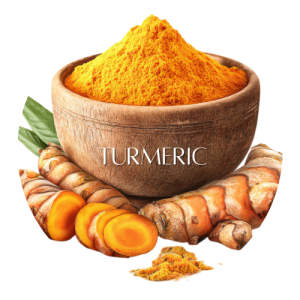
Turmeric has become one of the world’s most popular medicinal herbs.
Its active compound, curcumin, possesses potent anti-inflammatory and antioxidant properties.
Liver Health Benefits
Curcumin may:
- Reduce inflammation
- Protect liver cells from oxidative damage
- Improve insulin sensitivity
- Support healthy fat metabolism
These effects make turmeric particularly interesting in non-alcoholic fatty liver disease (NAFLD), where inflammation and insulin resistance contribute to disease progression.
Several clinical trials suggest curcumin supplementation may improve liver enzyme levels and reduce liver fat in some individuals.
Bioavailability
Curcumin is poorly absorbed on its own.
Many supplements combine it with:
- Black pepper extract (piperine)
- Phospholipids
- Special formulations that improve absorption
Safety
Large doses may cause:
- Stomach upset
- Acid reflux
- Loose stools
People with gallstones or bile duct obstruction should seek medical advice before taking concentrated turmeric supplements.
Artichoke Leaf (Cynara scolymus)
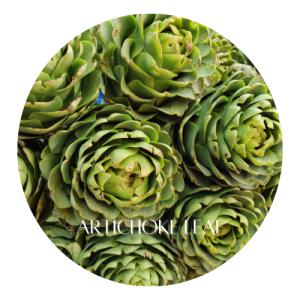
Artichoke has been valued since ancient Greece for supporting digestion and liver health.
Its leaves contain compounds including cynarin and chlorogenic acid.
Potential Actions
Research suggests artichoke leaf extract may:
- Stimulate bile flow
- Reduce oxidative stress
- Support cholesterol metabolism
- Improve digestion after fatty meals
Some studies have shown improvements in liver enzymes among individuals with fatty liver disease, although further research is needed.
Schisandra (Schisandra chinensis)
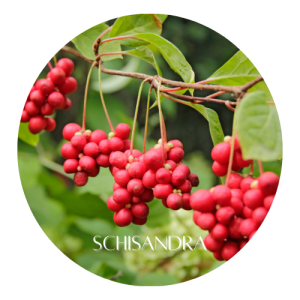
Schisandra berries occupy an important place in Traditional Chinese Medicine.
Known as the “five-flavour berry,” they contain lignans believed to support liver function.
Research Findings
Animal and laboratory studies suggest schisandra may:
- Enhance antioxidant defences
- Increase glutathione production
- Protect liver cells
- Improve resistance to toxins
Some early human research is promising, but larger clinical trials are still needed.
Licorice Root (Glycyrrhiza glabra)
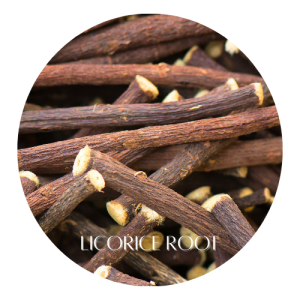
Licorice root has demonstrated anti-inflammatory properties and has been studied for chronic hepatitis.
Certain compounds appear capable of reducing liver inflammation.
However, excessive intake can lead to:
- High blood pressure
- Low potassium
- Fluid retention
- Heart rhythm disturbances
Therefore, licorice should be used cautiously and preferably under professional supervision.
Ginger (Zingiber officinale)
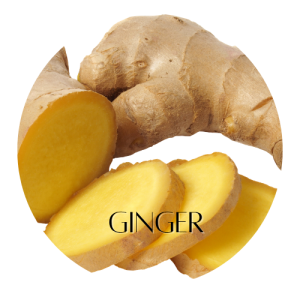
Ginger is widely recognised for digestive support, but emerging research also suggests benefits for liver health.
Potential Benefits
Ginger may:
- Reduce oxidative stress
- Lower inflammation
- Improve insulin resistance
- Support healthy cholesterol levels
Several studies involving people with fatty liver disease have reported modest improvements in liver enzyme levels after regular ginger supplementation.
Green Tea (Camellia sinensis)
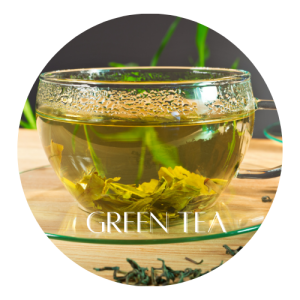
Green tea contains catechins, particularly epigallocatechin gallate (EGCG), which possess powerful antioxidant activity.
Benefits
Moderate green tea consumption has been associated with:
- Reduced inflammation
- Better metabolic health
- Lower risk of fatty liver disease
- Improved antioxidant protection
However, highly concentrated green tea extract supplements have occasionally been linked to liver injury.
For most people, drinking brewed green tea appears considerably safer than taking high-dose extracts.
Burdock Root (Arctium lappa)
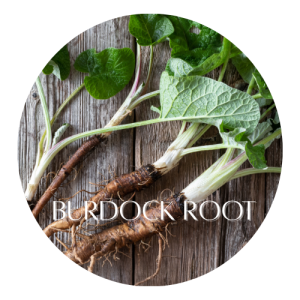
Burdock has long been used in traditional European and Asian medicine.
It contains:
- Inulin
- Polyphenols
- Antioxidants
Although human evidence remains limited, burdock may support liver health indirectly by reducing oxidative stress and promoting healthy digestion.
Chicory Root (Cichorium intybus)
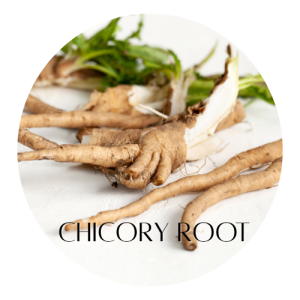
Chicory root contains inulin, a prebiotic fibre that nourishes beneficial gut bacteria.
Growing evidence suggests gut health and liver health are closely connected through the gut-liver axis.
By improving the intestinal microbiome, chicory may indirectly reduce inflammation affecting the liver.
Holy Basil (Ocimum sanctum)
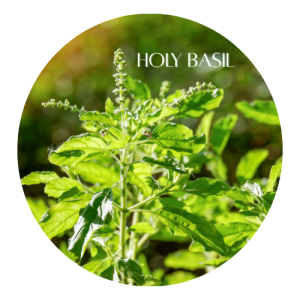
Also known as Tulsi, holy basil is an adaptogenic herb used in Ayurvedic medicine.
Laboratory studies indicate antioxidant and anti-inflammatory properties that may benefit liver tissue.
Human evidence remains preliminary but encouraging.
Phyllanthus (Phyllanthus niruri)
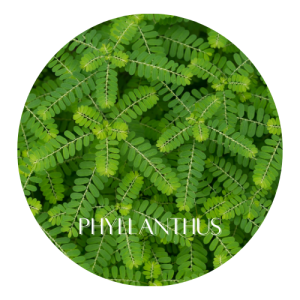
Sometimes called “stonebreaker,” this tropical herb has been investigated for hepatitis B and other liver disorders.
Research suggests antiviral and antioxidant properties, although more large-scale human studies are necessary before routine recommendations can be made.
Herbs That Support Liver Function Rather Than “Cleanse”
Modern science increasingly recognises that the idea of “cleansing” the liver is somewhat misleading.
Instead, herbs generally support liver health through several mechanisms:
Antioxidant activity
They neutralise harmful free radicals.
Anti-inflammatory effects
They reduce chronic inflammation associated with liver damage.
Supporting bile production
Certain herbs improve fat digestion.
Protecting liver cells
Some compounds strengthen liver cell membranes.
Encouraging healthy metabolism
Several herbs improve insulin sensitivity and lipid metabolism.
Diet and Lifestyle: The Foundation of Liver Health
No herb can compensate for an unhealthy lifestyle.
Evidence consistently shows that the following habits provide the greatest protection for the liver.
Eat a balanced diet
Choose:
- Vegetables
- Fruits
- Whole grains
- Beans
- Nuts
- Lean proteins
- Healthy fats
Limit:
- Refined sugar
- Highly processed foods
- Excess saturated fat
Maintain a healthy weight
Fatty liver disease is strongly linked to obesity.
Even losing 5–10% of body weight can significantly improve liver health in overweight individuals.
Exercise regularly
Aim for at least 150 minutes of moderate physical activity each week.
Exercise improves insulin sensitivity and reduces liver fat.
Limit alcohol
Alcohol remains one of the leading causes of liver disease worldwide.
Reducing consumption dramatically lowers liver injury risk.
Stay hydrated
Adequate water intake supports normal metabolism and overall health.
Get vaccinated
Vaccination against hepatitis A and B helps protect liver function.
Foods That Naturally Support Liver Health
Rather than relying solely on herbs, many foods contribute nutrients beneficial to the liver.
These include:
- Leafy greens
- Broccoli
- Brussels sprouts
- Garlic
- Onions
- Beetroot
- Berries
- Coffee (in moderation)
- Olive oil
- Walnuts
- Oily fish
When Herbs May Not Be Appropriate
Natural does not always mean safe.
Some herbal supplements have caused liver injury due to contamination, excessive dosing, or interactions with medications.
Individuals who should consult a healthcare professional before taking herbal supplements include:
- Pregnant women
- Breastfeeding mothers
- Children
- People with liver disease
- Individuals taking prescription medicines
- Organ transplant recipients
Potential Drug Interactions
Certain herbs may interact with medications by altering liver enzyme activity.
Examples include:
- Milk thistle
- Turmeric
- Licorice
- Green tea extracts
- St John’s wort (commonly used for mood rather than liver health)
Always discuss supplements with a healthcare provider if taking prescription medicines.
Choosing High-Quality Herbal Supplements
Not all supplements are created equal.
Look for products that:
- Use standardised extracts
- Undergo third-party quality testing
- Clearly list active ingredients
- Avoid unnecessary fillers
- Follow Good Manufacturing Practice (GMP) standards
Avoid products making unrealistic claims such as:
- “Complete liver detox”
- “Flushes toxins overnight”
- “Cures fatty liver”
Such statements are not supported by scientific evidence.
Frequently Asked Questions
Can herbs reverse liver disease?
Most herbs cannot reverse established liver disease. However, some may help support liver function or reduce inflammation when used alongside medical treatment and healthy lifestyle changes.
Is a liver cleanse necessary?
For healthy individuals, the liver naturally detoxifies the body. Routine liver cleanses have not been proven to remove toxins more effectively than the body’s own detoxification systems.
Which herb has the strongest scientific support?
Milk thistle has been the most extensively researched. While findings are mixed, it remains one of the better-supported herbs for liver protection.
Can herbs cure fatty liver?
No herb alone can cure fatty liver disease. Weight loss, dietary improvements, physical activity, and management of diabetes or high cholesterol remain the primary treatments.
Are herbal teas effective?
Herbal teas can be a pleasant way to consume beneficial plant compounds, but they generally contain lower concentrations than standardised extracts. Their effects are likely to be modest.
Conclusion
The liver is an extraordinary organ equipped with sophisticated mechanisms for filtering toxins, processing nutrients, and maintaining metabolic balance. Contrary to popular marketing claims, there is little evidence that herbal “liver cleanses” flush toxins from the body. Instead, the most promising herbs appear to support liver health by protecting liver cells, reducing oxidative stress, modulating inflammation, and assisting normal physiological functions.
Among the herbs reviewed, milk thistle has the strongest body of research, while turmeric, dandelion root, artichoke leaf, ginger, schisandra, and green tea also show encouraging evidence for supporting liver health in specific contexts. However, the quality of evidence varies considerably, and many studies are small or preliminary. Herbal supplements should therefore be viewed as complementary tools rather than substitutes for medical treatment or healthy living.
Maintaining liver health depends primarily on long-term lifestyle choices. Eating a nutrient-rich diet, maintaining a healthy weight, engaging in regular physical activity, limiting alcohol intake, avoiding unnecessary exposure to toxins, and managing chronic conditions such as diabetes provide far greater benefits than any single supplement. Herbs may offer additional support when used appropriately, but they are most effective as part of a comprehensive approach to wellness.
Finally, because herbs can interact with medications and are not suitable for everyone, it is wise to consult a qualified healthcare professional before beginning any new herbal regimen—particularly if you have existing liver disease, are pregnant, or take prescription medicines. By combining evidence-based herbal support with healthy lifestyle habits, individuals can help preserve one of the body’s most vital organs for years to come.