Introduction
You ever get that gut feeling? That weird, quiet sense that something’s off—like your body and your brain are arguing behind your back? That’s not just stress or a bad lunch talking. It’s the gut-brain connection in action—one of the most fascinating and underrated links in your entire body.
To begin with, your digestive system and your brain are locked in a 24/7 conversation. They swap chemical signals, hormones, and nerve messages constantly—like two old friends passing notes in class. And when that connection is strong and balanced, you feel it. Clearer thoughts. A lighter mood. Less anxiety is humming in the background.
But throw things off—junk food, chronic stress, antibiotics—and that once-friendly chatter turns into static. Your gut sends distress signals, and your brain? It responds with brain fog, low mood, or that restless, unsettled feeling that’s hard to shake.
Fortunately, this is where probiotics come in. These aren’t just the stars of health food commercials—they’re living organisms that can reshape the ecosystem in your gut. By feeding the good bacteria, calming inflammation, and nudging those chemical messengers in the right direction, probiotics help restore harmony to your gut-brain connection.
In this article, we’re going to unpack what that means—how your gut influences your mental well-being, which probiotic strains can help, and how small daily shifts can make a surprising impact on how you feel, think, and live.
What is the Gut-Brain Connection?
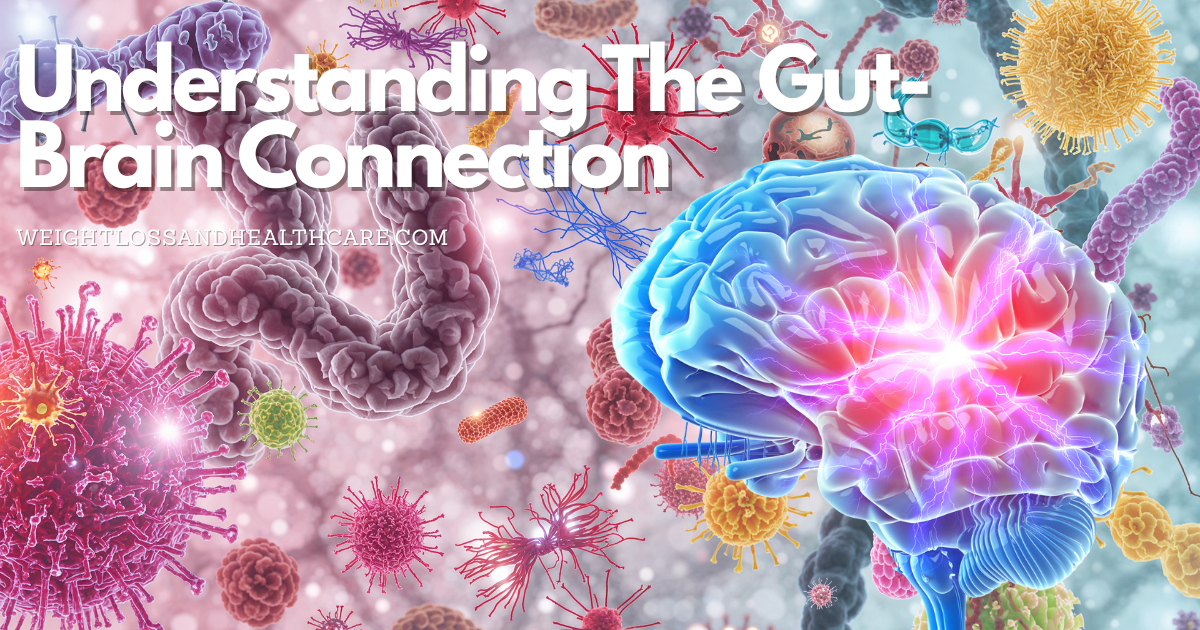
Your gut and brain? They’re in constant dialogue. The primary messenger here is the vagus nerve—the longest cranial nerve in your body. Think of it like an express highway shuttling messages back and forth between your gut and brain.
But that’s not the only route. This communication also flows through neurotransmitters such as serotonin and dopamine. Here’s a fun fact: roughly 90% of your body’s serotonin—the so-called happiness chemical—is produced in your gut, not your brain.
Hormones and immune system signals are also in the mix. When your gut is thriving, these messages help maintain a balanced mood and sharp thinking. But if your gut is struggling, those signals can turn noisy—leading to anxiety, low mood, or mental fatigue.
Vagus Nerve’s Critical Role in Gut-Brain Communication
The vagus nerve connects your brainstem directly to your gut. It carries sensory information (what your gut is feeling) and motor instructions (how your gut should react).
Say you’ve just eaten something. Signals from your gut travel up the vagus nerve to tell your brain how things are going down there. If your gut is irritated or inflamed, these messages can trigger stress responses, anxiety, or shifts in mood.
On the flip side, when your gut is in balance, the vagus nerve helps send calming, mood-stabilizing signals to your brain.
Neurotransmitters Produced in the Gut

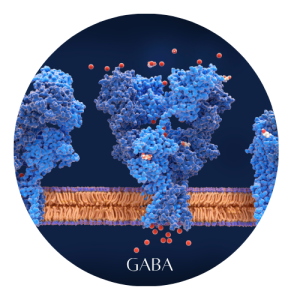

Your gut microbiome—a bustling community of trillions of bacteria—plays a key role in creating brain chemicals known as neurotransmitters:
- Serotonin: Promotes feelings of happiness and well-being
- GABA: Acts as a natural relaxant, easing stress and anxiety
- Dopamine: Drives motivation, pleasure, and reward
When your gut bacteria are in harmony, these neurotransmitters help you think clearly and feel emotionally balanced. But when your microbiome is off-kilter? Mental clarity and mood can take a hit.
The Microbiome’s Role in Mental Health
What is the Gut Microbiome?
Imagine a vast, invisible ecosystem living right inside you—that’s your gut microbiome. It’s made up of trillions of bacteria, viruses, and fungi, all residing in your digestive tract. These organisms do far more than digest food. They play a central role in immune function, controlling inflammation, and even producing mood-related chemicals.
When your gut’s internal ecosystem is in harmony, it doesn’t just help your digestion—it quietly supports your mood, focus, and overall well-being. But when harmful bacteria crowd out the good guys, problems can start. The result? Increased anxiety, depression, and cognitive difficulties.
How Gut Bacteria Influence Mood and Emotions
Here’s how a healthy gut microbiome helps keep your mood on track:
- Produces neurotransmitters that influence mood and emotions
- Calms inflammation, which can otherwise trigger mood disorders
- Supports gut lining integrity, preventing harmful substances from reaching the brain
But when harmful bacteria take over, it can ramp up stress hormones, spark inflammation, and reduce levels of mood-boosting neurotransmitters. The outcome? You feel anxious, down, or mentally foggy.
Common Signs of an Unbalanced Gut Affecting Mental State
Could your gut be influencing your mood? Here are some signs that suggest it might be:
- Persistent anxiety or low mood without an obvious cause
- Brain fog or trouble staying focused
- Digestive issues like bloating, gas, or diarrhea
- Disrupted sleep patterns or poor sleep quality
- Strong cravings for sugar and processed foods
If any of these sound familiar, it might be time to give your gut a little extra love.
When the Gut-Brain Connection Breaks: Cognitive and Emotional Consequences
Mood Disorders Linked to Poor Gut Health
It might sound strange at first, but your gut can have a lot to say about your emotional state. And when it’s not in great shape, your mood can suffer. Studies over the past decade have drawn a clear connection between an unhealthy gut and common mood disorders. We’re talking about issues like:
- Depression
- Anxiety
- Bipolar disorder
So, what’s going on here? When your gut bacteria are off balance—too many harmful microbes, not enough helpful ones—it creates inflammation. That inflammation doesn’t just stay in your belly. It can travel, messing with your brain’s chemistry and disrupting the levels of key neurotransmitters like serotonin and dopamine. And those chemical shifts? They play a huge role in how you feel.
Some researchers even call the gut the “second brain”—because when it’s upset, you can feel the emotional effects just as deeply.
How Gut Inflammation Disrupts the Gut-Brain Connection
Let’s dig deeper. One of the most damaging things that can happen in your digestive system is chronic inflammation. When harmful bacteria take over and good bacteria get pushed out, your gut lining can weaken. This leads to something called “leaky gut.”
Leaky gut isn’t just a catchy name—it’s a real problem. It means the protective lining in your gut isn’t doing its job. Tiny holes let toxins and undigested food particles slip into your bloodstream. Once that happens, your immune system reacts fast—and that can trigger neuroinflammation.
Neuroinflammation is just what it sounds like: inflammation in the brain. And it’s been linked to everything from poor memory and focus to mood swings, anxiety, and long-term cognitive decline.
Here’s what we know:
- People with gut inflammation often report brain fog and emotional instability.
- Neuroinflammation is being studied as a root cause of early cognitive decline and even Alzheimer’s.
- Reducing gut inflammation could help protect mental clarity over time.
Stress Response and the Gut-Brain Axis
Feeling overwhelmed or constantly stressed? Your gut feels it too. The relationship between stress and gut health is a two-way street. When you’re under pressure, your body floods with stress hormones like cortisol. That chemical surge doesn’t just affect your mood—it also changes your gut bacteria.
Research shows that high stress reduces helpful bacteria and allows more harmful strains to grow. This microbial shift weakens the gut lining, ramps up inflammation, and throws off neurotransmitter production.
The kicker? A disrupted gut then makes you more sensitive to stress. It becomes a vicious cycle:
- Stress alters the gut microbiome.
- The imbalanced microbiome fuels inflammation and anxiety.
- More stress follows, which worsens gut health again.
Breaking this cycle is possible—but it often starts by repairing your gut first.
How Probiotics Support the Gut-Brain Connection
Mechanisms of Probiotic Action on Brain Health
Probiotics are like peacekeepers for your gut. They help restore a healthy balance of bacteria, which in turn sends positive signals up to your brain. But how exactly do they work?
Here’s what current science suggests probiotics do inside your body:
- Repopulate good bacteria: They introduce beneficial strains that crowd out harmful microbes.
- Strengthen the gut barrier: This helps prevent toxins from leaking into the bloodstream.
- Produce neurotransmitters: Some strains help generate serotonin, dopamine, and GABA.
- Reduce gut and brain inflammation: By calming the immune system, they reduce the chain reaction that leads to mood swings and cognitive issues.
In other words, probiotics help tune the gut-brain communication channel—reducing interference and keeping messages clean and steady.
Probiotics and Neurotransmitter Production
Your brain needs the right balance of neurotransmitters to function at its best. And guess what? Certain probiotic strains actually help with that.
Let’s take a closer look:
- Lactobacillus rhamnosus: This strain has been shown to boost production of GABA, a neurotransmitter that relaxes the nervous system and reduces stress.
- Bifidobacterium longum: This one supports the pathways that help synthesize serotonin, the chemical most commonly associated with happiness and emotional stability.
By improving neurotransmitter availability, these probiotics can ease symptoms of anxiety and elevate mood naturally—no prescription required.
Anti-Inflammatory Benefits of Probiotics
We know inflammation is a common enemy when it comes to both gut and brain health. Probiotics help by dialing it down.
How exactly? Like this:
- They block pro-inflammatory cytokines: These small proteins can trigger excessive immune responses and are linked to depression and anxiety.
- They strengthen the gut lining: Fewer gaps means fewer toxins entering your bloodstream—and by extension, fewer reaching your brain.
- They balance immune responses: That keeps inflammation in check while helping your body function more calmly and consistently.
With reduced inflammation, you get clearer thinking, steadier moods, and even better sleep.
New Research on the Gut-Brain Axis and Probiotics for Mental Wellness
Summary of Recent Clinical Studies
Let’s talk about evidence. A growing body of research is backing up the idea that probiotics can improve mental health. Here are a few studies worth noting:
- 2019, Frontiers in Psychiatry: A review of 21 studies found that probiotics helped reduce symptoms of depression.
- 2020, Nutrients: This study linked probiotic supplements with significantly lower levels of anxiety in healthy adults.
- Older Adult Study: Some research now shows improved cognitive performance in seniors who take certain probiotics regularly.
What does all this mean? That those tiny microbes might hold some serious potential for boosting emotional and mental wellness.
What the Evidence Tells Us About Probiotics and Anxiety
Among all the mental health conditions studied, anxiety has the strongest link to probiotic use. Strains like Lactobacillus helveticus and Bifidobacterium longum have been repeatedly shown to help calm the nervous system.
In fact, in multiple studies, participants taking probiotics for just four to eight weeks reported a noticeable decrease in anxiety levels—often without changing anything else in their lifestyle.
So while probiotics might not be a magic cure, they could be a powerful ally in managing everyday stress and anxious feelings.
Probiotics and Cognitive Function: What We Know So Far
Can probiotics make you sharper? Maybe. Early findings suggest they might help with:
- Improving memory
- Enhancing focus
- Reducing brain fog
Though the research is still in its early stages, the results are promising. One theory is that less inflammation and a healthier gut lead to better blood flow and oxygen to the brain—both critical for clear thinking.
While we wait for larger trials, there’s growing hope that improving your gut may also support your brain’s ability to stay sharp and agile.
Best Probiotic Strains for Supporting Mental Clarity and Emotional Balance
Top Research-Backed Probiotic Strains for the Gut-Brain Connection
With so many probiotics on the market, it’s easy to feel lost. Which ones help with mood? Which strains might sharpen your thinking? Luckily, research has given us some clues.
Not every probiotic strain impacts your gut-brain connection in the same way. Some have more “star power” when it comes to supporting mental health. If you want to give your brain a boost, here are the strains to keep on your radar:
- Lactobacillus rhamnosus
- Bifidobacterium longum
- Lactobacillus helveticus
- Bifidobacterium bifidum
These aren’t just buzzwords from supplement bottles—these strains have been studied in clinical settings and linked to lower anxiety, improved cognition, and more balanced emotions. In other words, they could give your mental health the edge it’s been missing.
How Different Strains Influence Different Aspects of Mental Health
It’s a bit like choosing the right tool for the job. Each probiotic strain seems to “specialize” in different aspects of mood or mental clarity. Take a look at how some of the top strains line up:
| Probiotic Strain | Mental Health Benefit |
|---|---|
| Lactobacillus rhamnosus | Reduces anxiety and stress |
| Bifidobacterium longum | Improves mood and cognitive health |
| Lactobacillus helveticus | Supports emotional balance |
| Bifidobacterium bifidum | Eases depression symptoms |
So if you’re hoping to ease those restless thoughts, target anxiety, or simply stay more mentally sharp day-to-day, picking the right strain matters. A little label reading can go a long way!
How to Incorporate Probiotics Into Your Daily Routine
Probiotic Supplements: What to Look For
Walking into the supplement aisle can feel like stepping into another universe—bottles everywhere, each one promising more benefits than the last. So how do you choose one that’ll actually support your gut-brain connection?
Here’s what matters most:
- Clinically researched strains: Look for specific names on the label—like Lactobacillus rhamnosus or Bifidobacterium longum—not just “probiotic blend.”
- High CFU counts: You want at least 10 billion CFUs (that’s colony-forming units). More is not always better, but enough is essential.
- Reputable brand with testing: Quality matters. Choose a product that’s been third-party tested and doesn’t just rely on marketing claims.
If your supplement checks these boxes, you’re on the right track.
Top Probiotic-Rich Foods to Include in Your Diet
Supplements are great—but let’s not forget the beauty of real food. Many delicious staples are naturally rich in probiotics. They’re simple to work into your diet and can give your gut a daily dose of friendly bacteria without a capsule.
Try adding these to your meals:
- Yogurt with live cultures (check the label—it should say “live & active cultures”)
- Kefir (a tangy, drinkable cousin of yogurt)
- Raw sauerkraut (don’t cook it—you want those live bacteria!)
- Kimchi (spicy, crunchy, fermented cabbage)
- Miso (perfect in a warm, comforting soup)
- Tempeh (firm, nutty, fermented soybeans—great in stir fries)
Bonus: these foods also come with fiber, which acts as prebiotics—fuel for your good gut bugs.
Tips for Maximizing Probiotic Effectiveness
If you’re going to invest in probiotics, you might as well help them thrive, right? Here’s how to give them their best shot at improving your mood and mental clarity:
- Take with food: A little fat in your meal helps probiotics survive stomach acid and reach your gut intact.
- Feed them fiber: Load up on veggies, fruits, whole grains, and legumes. These prebiotics give your good bacteria the nourishment they need.
- Stick with it: Probiotics aren’t a one-and-done solution. The benefits come with daily use, over time. Think weeks, not days.
Your gut—and your brain—will reward your consistency.
Lifestyle Tips to Strengthen the Gut-Brain Axis
Stress Management Techniques to Support Gut Health
Stress can wreak havoc on your gut, throwing your microbiome out of balance fast. But you don’t need a weekend retreat to fight back. Simple, daily practices can make a huge difference.
Here are a few to try:
- Mindful breathing (even a minute or two can calm your nervous system)
- Short meditation breaks (try an app if you’re new)
- Gentle movement (think yoga, tai chi, or an easy walk)
- Spending time outdoors (green spaces = good mood & good gut bugs)
The key? Keep it consistent, not perfect. Even small steps help break the stress cycle that can damage your gut-brain axis.
The Importance of Sleep for the Gut-Brain Connection
Skimping on sleep is like pouring sugar into your gas tank—it throws your whole system off, gut included. Poor sleep disrupts gut bacteria, increases inflammation, and tanks your mood fast.
How to give your gut and brain a nightly reset:
- Get 7–9 hours of sleep (yes, really—your gut bugs follow a circadian rhythm too)
- Stick to a consistent bedtime, even on weekends
- Create a wind-down ritual (think no screens, a hot bath, or a calming tea)
When you sleep well, your gut heals. And when your gut thrives, so does your mind.
Exercise and Gut Health
Good news: you don’t need to become a triathlete to improve your gut health. Regular movement helps increase the diversity of your microbiome—a win for both mood and cognition.
What kinds of movement work?
- Daily walks (one of the easiest and most underrated habits)
- Swimming (great for joints and stress relief)
- Cycling (bonus: it’s fun!)
- Strength training (helps balance hormones and boosts gut diversity)
Even 150 minutes a week of moderate movement can make a big impact on your gut-brain connection.
Dietary Choices That Nourish the Microbiome
Here’s the truth: your gut bacteria eat what you eat. If you want a happier microbiome, start with your plate.
Feed your gut with these:
- Colorful veggies and fruits (fiber + antioxidants = gut gold)
- Whole grains (think oats, quinoa, farro)
- Fermented foods (yogurt, kefir, kimchi, sauerkraut)
And try cutting back on:
- Processed junk foods (they fuel the “bad” bugs)
- Excess sugars (which spike inflammation)
- Artificial sweeteners (which can disrupt your gut lining)
It’s not about being perfect. It’s about tipping the scales toward foods that help your gut—and your brain—thrive.
Conclusion
Your gut and brain are in constant conversation. When that relationship is strong and balanced, you feel it—in your mood, your focus, your sense of calm. Probiotics offer one of the simplest ways to support that powerful gut-brain connection.
By choosing the right strains, staying consistent, and pairing them with gut-friendly lifestyle habits (like sleep, stress relief, movement, and real food), you can build a stronger foundation for long-term mental clarity and emotional resilience.
It’s a journey worth taking—because a happy gut truly can lead to a happier, healthier mind.