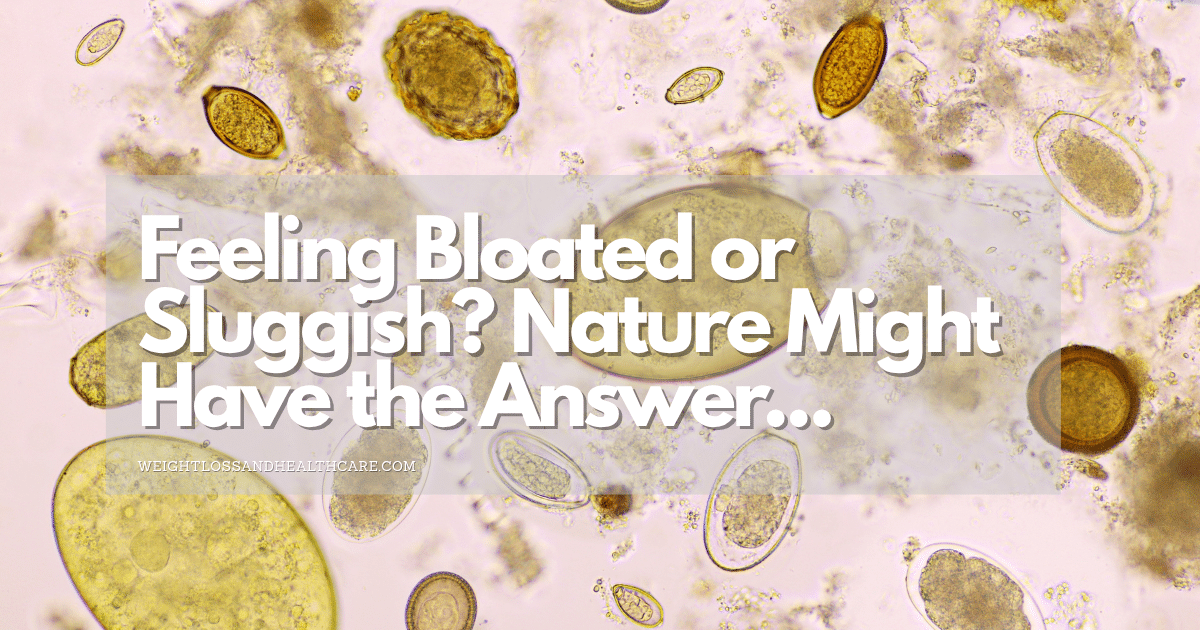
Let’s just say it: parasites. Not exactly the kind of word that makes people lean in and say, “Tell me more!” Right? But if you’ve landed here, chances are you’ve been hearing about herbal parasite remedies—or maybe you’re wondering if those odd symptoms you’ve been feeling have something to do with an uninvited guest living in your gut
And once they’re in? They’re not the polite type. Nope. They dig in, eat your nutrients, and toss the leftovers into your system. Sometimes you’ll feel it—bloating, fatigue, brain fog. Other times, it’s sneaky. A rash here, a mood swing there. You shrug it off… until one day you’re Googling “Why do I feel so awful?” and… well, here we are.
Plenty of people (myself included) prefer to start with herbal parasite remedies—plants that help your body boot out the squatters without torching your gut in the process. And bonus: they also tend to support digestion, immunity, and overall well-being. Which, let’s be real, we could all use.
In this guide, I’ll walk you through the herbs that work, how to use them without wrecking your weekend, what weird things might happen during a cleanse (because yep, things can get… interesting), and how to stop those bugs from coming back for round two. Ready? Let’s get to it.
What Are Parasites and How Do They Impact Health?
Alright, quick visual: imagine making yourself a gorgeous smoothie—berries, greens, protein, the whole nine yards. You take a sip. Unbeknownst to you… So are the parasites. Not the breakfast companion you had in mind, right?
But that’s how these little freeloaders operate. Parasites are organisms that live off a host—in this case, you. They take the nutrients your body needs and leave behind… well, not much you’d want. And the worst part? Many people have no idea they’re carrying them around.
So, who are these party crashers? A few types show up more than others:

- Protozoa — Single-celled pests like Giardia. Tiny, but mighty annoying.
- Helminths — Worms. Roundworms, tapeworms, flukes. Yep, actual worms.
- Ectoparasites — Lice, mites—more skin-based, but still worth a mention.
At first? Maybe you feel fine. A little bloated after meals, perhaps. A patch of weird skin here or there. But over time, as they steal more nutrients, you start to notice:
- Digestive trouble—cramps, gas, constipation, diarrhea. You name it.
- Skin acting up—rashes, breakouts, itchiness that drives you nuts.
- Mood weirdness—grumpy, anxious, can’t focus.
- Constant fatigue—like dragging-yourself-out-of-bed-every-day tired.
- Nutrient deficiencies—you eat well, but feel like a zombie.
And if they stick around? Some parasites may disrupt your gut flora, interfere with immune function, and potentially leave you more susceptible to other health issues, depending on the type and severity of infection. The tricky part is, symptoms tend to be vague. Most people never think, “Ah yes, probably parasites.” But after a cleanse—when digestion settles, energy returns, and skin starts clearing up—things begin to make sense. Suddenly, the puzzle pieces fit. Lightbulb moment.
Why Choose Herbal Parasite Remedies for Natural Cleansing?

Let’s be honest—modern medicine has its place. If you’ve got a raging parasite infection? Definitely see a doctor. But when it comes to milder, chronic, or “mystery symptom” situations, many people are turning to the old ways: plants. Herbs. Nature’s pharmacy. And for good reason.
You see, herbal parasite remedies have been around a long time. Like, centuries. Different cultures across the globe figured out that certain herbs could help the body expel parasites… long before modern pharmaceuticals came on the scene.
And the beauty of these herbs? They don’t just blast the bad guys. They support your body as a whole. Here’s what that looks like:
First off, many people find herbal remedies to be gentler on the body compared to pharmaceutical antiparasitic drugs. Herbs? When used properly, they’re much gentler. They work with your body, not against it.
Secondly, herbs bring more to the table than just “parasite killing.” Many of them also help soothe digestion, reduce inflammation, and balance gut flora. They strengthen your body’s own defenses. You’re not just taking out parasites—you’re building resilience.
And here’s a biggie: parasites can develop resistance to drugs. Yep, even bugs evolve. As for herbal blends, while they haven’t been studied as extensively in this area, their complexity and variety of plant compounds have led some practitioners to believe they may offer broader support. Nature’s chemistry is tricky that way (and thank goodness for that).
How Herbal Parasite Remedies Help Your Body Heal
So how do these herbs actually work? Well, different ones tackle different angles:
- Some create an environment in your gut that parasites hate (and good bacteria love).
- Some support your liver and detox pathways, helping flush out toxins.
- Others contain compounds—antifungal, antibacterial, antiparasitic—that target the bugs directly.
For example, some herbs help ramp up bile flow. At first, that might not sound exciting, but trust me—bile makes life miserable for parasites. Meanwhile, other herbs stimulate digestion or boost immunity, thereby helping your body kick out invaders on its own. In the end, it’s a full-body team effort.
Limitations to Consider
Now, I’d be lying if I said herbs were magic bullets. They’re not. If you’re dealing with a major infestation or a stubborn strain, professional treatment may still be needed. And herbs work best when you pair them with a smart plan: good nutrition, hygiene, and lifestyle tweaks. (Yes… that means cleaning your cutting boards and washing your hands. Often.)
Natural Herbal Parasite Fighters You Need to Know
Here’s the fun part: nature gives us a whole arsenal of herbs to choose from. Think of them as your botanical toolkit. Some are better for expelling worms. Others target parasite eggs. Some soothe the gut while doing their thing.
Let’s look at some of the MVPs:
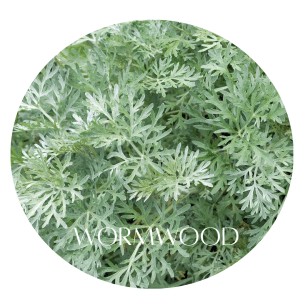
Wormwood (Artemisia absinthium)
Traditionally used as a bitter herb, wormwood may help make the gut less hospitable to parasites. It’s also believed to support bile flow, which plays a role in digestion
Black Walnut Hull (Juglans nigra)
Contains juglone, a potent antiparasitic compound. This one’s been used in folk medicine for generations. Worms do not like it.

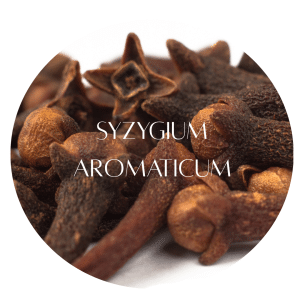
Clove (Syzygium aromaticum)
High in eugenol, clove helps destroy parasite eggs. It’s often paired with other herbs to target all life stages of parasites.
Garlic (Allium sativum)
Good old garlic—antibacterial, antifungal, immune-boosting. And yes, parasites find it extremely unappealing. (Your dinner guests might too, but hey.)

Pau d’Arco (Tabebuia avellanedae)
Another classic. Rich in lapachol, which helps fight off parasites, fungi, and harmful bacteria. Also calming for inflammation.

Oregano Oil (Origanum vulgare)
Super potent antimicrobial. Just a few drops of good quality oregano oil can do wonders for balancing gut microbes and keeping parasites in check.

Other supportive herbs worth mentioning:
- Ginger: Calms the gut and aids digestion.
- Turmeric: Fights inflammation and supports liver detox. Read More…
- Pumpkin seeds: Not just tasty—contain compounds that can help paralyze worms.
How to Prepare and Use Herbal Parasite Remedies
If you’re new to this, the good news is—you’ve got options. Different forms work for different people and preferences. Some are stronger. Some are easier to take. Here’s a quick breakdown:
Tinctures: Highly concentrated alcohol extracts. Great for potency and fast absorption.
Teas: Gentle, soothing, but you need to be consistent (daily drinking).
Capsules: Super convenient if you can’t handle bitter tastes (wormwood is… intense).
Powders: Versatile—mix into smoothies or sprinkle on food.
Dosage Guidelines
Each herb has its own recommended dose, so it’s smart to follow guidance from a trusted herbalist or well-formulated product. Here’s a general starting point (but always start low and go slow!):
| Herb | Suggested Daily Dose |
|---|---|
| Wormwood | 200-300 mg |
| Black Walnut Hull | 500-1000 mg |
| Clove | 500 mg |
| Garlic (fresh) | 2-4 cloves |
It’s always a good idea to begin with smaller doses and gradually increase as your body adjusts.
Timing and Duration
Parasite cleanses usually run from 2 to 6 weeks. Why? Because parasites have life cycles—you want to catch them in all stages. Many folks repeat the cleanse after a short break (about 2 weeks) to cover any missed eggs or larvae.
Combining Herbal Parasite Remedies for Maximum Effect
One herb is good. A blend? Even better. Experienced herbalists often combine herbs for a multipronged attack. For example:
- Wormwood + Black Walnut + Clove — Targets worms and eggs for broad-spectrum action.
- Garlic + Oregano Oil — Supports gut balance and overall immunity.
Combining herbs helps target parasites at different stages and supports gut health while you cleanse. Bonus: it often helps reduce side effects too.
What to Expect During a Parasite Cleanse
Okay, so you’ve committed to a parasite cleanse. Good for you! But naturally… your brain kicks in: “What’s going to happen to my body?” Great question. And the short answer is: it depends. Everyone’s body responds a little differently. Some people feel great by day three. Others? Not so much—at least at first.
Why? Because as those parasites die off (finally!), they release toxins. And your body? It has to process and eliminate all of it. This is called a “die-off reaction” — and trust me, it’s not your imagination if you feel a little wonky.
Typical Reactions
Here’s what you might notice in the first few days of a cleanse:
- Fatigue — The body is busy working behind the scenes. Energy levels may dip before they bounce back.
- Headaches — Detox headaches are common, especially if you’re not drinking enough water.
- Nausea — A side effect of the toxins being stirred up.
- Skin breakouts — Yep, toxins often exit through the skin.
- Changes in bowel habits — Some extra bathroom time might be needed (you’ve been warned!).
Most of these reactions pass within a few days. The trick is to support your body’s natural detox pathways—and to be kind to yourself during the process.
Timeline for Improvements
Now for the good part: when things start improving.
For most people, clearer skin, improved digestion, and more stable energy show up by the end of the cleanse. (Think: fewer naps required.) However, the deeper benefits—like balanced immunity and restored gut flora—often take a few extra weeks to truly settle in. So, be patient. After all, your body’s doing important work here.
Managing Discomfort
If you do hit a rough patch, don’t panic. There are ways to ease the bumps along the road:
- Drink lots of water — help flush out toxins faster.
- Add liver support — herbs like milk thistle or dandelion root are great allies. Liver blog post…
- Rest when your body asks for it — listen to those signals.
- Consider activated charcoal — it helps bind toxins so your body can excrete them more easily.
Precautions, Side Effects, and When to Consult a Doctor
Let’s be clear: even natural remedies can have side effects if used incorrectly. So before you dive in, keep these precautions in mind:
Possible Side Effects
Some herbs are strong. Some detox reactions are, too. Here’s what you might encounter:
- Digestive upset — bloating, cramps, diarrhea (short-term).
- Allergic reactions — itching, rashes (rare but possible).
- Dizziness or fatigue — especially in the early days of the cleanse.
If anything feels too intense? Slow down. Your body’s telling you something.
Who Should Avoid Cleansing
Certain folks should approach parasite cleansing with extra caution—or skip it altogether. If you fall into one of these groups, consult a healthcare professional first:
- Pregnant or breastfeeding women.
- Children under 6 (unless guided by an experienced practitioner).
- Anyone with serious liver or kidney conditions.
When to Seek Medical Advice
If you experience:
- Severe abdominal pain.
- Prolonged diarrhea that leaves you dehydrated.
- Fever.
- Significant weight loss.
… don’t tough it out. See a doctor. In serious cases, prescription treatment might be needed. No shame in that!
Lifestyle Tips to Support Parasite Cleansing and Prevent Reinfection
So, here’s the thing: while herbal parasite remedies can do a lot, it’s really your daily habits that make the biggest difference. That’s exactly where the real magic happens when it comes to keeping those critters from coming back. Now, here’s how to stack the deck in your favor:
Dietary Tips
What you eat matters—a lot. The goal is to starve parasites (they love sugar!) and feed your good bacteria.
- Load up on fiber — keeps things moving and helps eliminate waste.
- Add probiotic-rich foods — yogurt, kefir, sauerkraut = happy gut flora.
- Cut down on sugar — parasites thrive on sugar. Don’t feed the enemy.
- Stick to whole, unprocessed foods — your gut will thank you.
Foods to Avoid
Some foods make the parasite party worse. Best to skip:
- Processed carbs — white bread, pastries, chips.
- Sugary snacks and drinks — candy, soda, even some fruit juices.
- Raw or undercooked meats and fish — common parasite sources.
Hygiene Habits
Parasite prevention 101: clean hands and clean kitchens matter. A lot.
- Wash hands often — especially before eating.
- Sanitize kitchen surfaces — sponges, cutting boards, knives.
- Don’t drink untreated water — even if it “looks clean.”
- Practice safe food handling — especially with raw meats.
Other Healthy Habits
Good lifestyle = better immunity = fewer parasites. Simple as that. A few easy wins:
- Get enough sleep — your immune system works while you snooze.
- Manage stress — gut health and stress are deeply linked.
- Stay active — movement helps digestion and detox pathways.
Conclusion
Herbal parasite remedies can be a game-changing way to help your body defend itself. When you use the right herbs—at the right doses—and pair them with smart lifestyle habits? You give your body the tools it needs to restore balance and vitality.
But go slow. Listen to your body. And don’t be afraid to ask for professional advice if something feels off.
So with a little knowledge, a few good herbs, and some smart daily choices, you can move toward a healthier gut—and a life where parasites are no longer invited to the party.