Health Changes in Your 40s: Why Looking After Your Health Becomes More Important Than Ever
Turning 40 is an important milestone in life. For many people, it is a time when priorities begin to change. Careers, families and everyday responsibilities can take up much of our attention, and looking after our own health can sometimes fall further down the list.
However, reaching your 40s is also an excellent opportunity to take a fresh look at your lifestyle and make positive changes that can benefit you for decades to come.
As we get older, our bodies naturally begin to change. Metabolism can slow down, muscle mass may gradually decrease, hormones fluctuate, and the risk of certain health conditions can increase. These changes are a normal part of ageing, but that doesn’t mean we should simply accept feeling tired, gaining weight or losing our fitness.
The good news is that there is plenty we can do to support our health after 40. Eating nutritious foods, staying physically active, managing stress, getting enough sleep and paying attention to preventative healthcare can all make a significant difference.
Whether you are approaching your 40th birthday or are already well into your 50s and beyond, it is never too late to start making your health a priority.
Let’s explore why looking after yourself after 40 is so important and the simple lifestyle changes that can help you feel healthier, stronger and more energetic.
1. Your Metabolism and Body Weight May Begin to Change
One of the most noticeable changes many people experience after 40 is finding it harder to maintain their previous body weight.
You might notice that the foods you used to eat without gaining weight now seem to have a different effect. Even when your eating habits haven’t changed significantly, you may find yourself gradually putting on extra pounds, particularly around your waist.
There are several reasons why this can happen.
As we age, we can gradually lose muscle mass. Muscle tissue uses more energy than fat tissue, so having less muscle can reduce the number of calories your body burns throughout the day.
Hormonal changes, reduced physical activity, changes in sleep patterns and everyday lifestyle habits can also contribute to weight gain.
For women, the years leading up to menopause can bring hormonal fluctuations that influence body composition and fat distribution. Men can also experience gradual hormonal changes as they get older.
What can you do?
Rather than following extreme diets or drastically reducing your food intake, focus on sustainable lifestyle changes.
Some helpful habits include:
- Eat more vegetables, fruit and fibre-rich foods.
- Include protein with your meals to support muscle maintenance.
- Reduce your intake of highly processed foods.
- Limit sugary drinks and excessive snacking.
- Watch portion sizes without becoming overly restrictive.
- Combine regular walking with strength training.
- Stay hydrated throughout the day.

Remember that successful weight management is not just about eating fewer calories. Maintaining muscle, supporting your metabolism and developing healthy habits are equally important.
2. Protecting Your Heart Health Becomes Increasingly Important
Your heart works continuously throughout your life, pumping blood and delivering oxygen and nutrients around your body.
Looking after cardiovascular health becomes increasingly important as you get older because factors such as high blood pressure, elevated cholesterol, smoking, diabetes and physical inactivity can increase the risk of heart disease.
The challenge is that some cardiovascular risk factors have no obvious symptoms. You could have high blood pressure or elevated cholesterol without feeling unwell.
This is why regular health checks are valuable.
A simple blood pressure check and appropriate cholesterol testing can help identify potential problems before they become more serious.
Natural ways to support heart health
There are several everyday habits that can help protect your cardiovascular system.
- Eat oily fish such as salmon, sardines and mackerel.
- Include nuts, seeds and olive oil in your diet.
- Eat plenty of colourful vegetables and fruit.
- Reduce excessive salt consumption.
- Aim for regular physical activity.
- Avoid smoking.
- Keep alcohol consumption within recommended limits.
- Maintain a healthy body weight.
Omega-3 fatty acids, found in oily fish, are particularly interesting because they play an important role in normal body function.
A Mediterranean-style eating pattern, rich in vegetables, legumes, whole grains, nuts, olive oil and fish, is a good approach to consider.
Looking after your heart today can help support your health for many years to come.
3. Maintaining Muscle Strength and Bone Health
Many people concentrate on weight loss after 40, but maintaining muscle strength and healthy bones deserves just as much attention.
Muscle mass naturally declines with age, particularly when we become less physically active. This gradual process is known as age-related muscle loss.
Without regular activity, everyday tasks such as climbing stairs, carrying shopping or getting up from a chair can eventually become more difficult.
Bone health is another important consideration.
Bone density can gradually decline with age. Women may experience more rapid bone loss around menopause because of falling oestrogen levels.
This can increase the risk of osteoporosis and fractures later in life.
How can you protect your muscles and bones?
Strength training is one of the most effective ways to maintain muscle mass and physical function.
You don’t need an expensive gym membership to get started.
Exercises such as:
- Squats.
- Wall push-ups.
- Resistance band exercises.
- Lunges.
- Light weightlifting.
- Step-ups.
These can all help build strength when performed correctly and progressively.
Weight-bearing activities such as walking, dancing and hiking can also support bone health.
Nutrition matters too. Calcium is important for healthy bones, while vitamin D helps the body absorb calcium.
Good food sources include dairy products, fortified alternatives, leafy green vegetables, oily fish and calcium-rich foods.
If you are concerned about bone density or osteoporosis, speak to your healthcare professional about whether an assessment is appropriate.
4. Pay Attention to Your Gut Health
Your digestive system plays an important role in your overall wellbeing.
The gut is responsible for breaking down food, absorbing nutrients and supporting several aspects of immune function.
Inside your digestive tract lives a complex community of microorganisms known as the gut microbiome.
These microorganisms help with digestion and interact with the body’s immune system.
As we get older, changes in diet, lifestyle, medication use and general health can influence the balance and diversity of gut microorganisms.
Supporting digestive health is therefore an important part of looking after yourself after 40.
Ways to support a healthy gut include:
- Eat a variety of vegetables and fruit.
- Include fibre-rich foods such as oats, beans and lentils.
- Eat foods containing natural prebiotic fibres.
- Consider fermented foods such as live yoghurt and sauerkraut.
- Drink enough water.
- Stay physically active.
- Avoid unnecessary antibiotic use.
Fibre is particularly important because certain types of fibre provide nourishment for beneficial gut bacteria.
Foods such as onions, garlic, asparagus, oats, bananas and beans can help increase your intake of different types of fibre.
Try to introduce fibre gradually, especially if you are not used to eating much of it.
A healthy digestive system can contribute to better digestive comfort and help support your overall nutritional health.
5. Hormonal Changes and Their Effects on Your Body
Hormones influence many important processes in the body, including metabolism, mood, sleep, energy levels and reproductive health.
After 40, hormonal changes can become more noticeable.
Women may begin experiencing perimenopause, the transitional period leading up to menopause. Symptoms can include:
- Hot flushes.
- Night sweats.
- Changes in menstrual cycles.
- Mood changes.
- Sleep difficulties.
- Reduced libido.
- Brain fog.
- Changes in body composition.
Not every woman experiences the same symptoms, and their severity can vary considerably.
Men also experience gradual changes in hormone levels as they age. Some may notice changes in energy, muscle strength, sexual function or body composition.
It is important not to assume that every symptom is caused by hormones. Other medical conditions can produce similar symptoms.
If you are experiencing persistent changes, discuss them with your GP.
A balanced diet, regular exercise, sufficient sleep and stress management can all help support general wellbeing during this stage of life.
There are also medical treatments available for certain hormonal symptoms, so you do not have to struggle unnecessarily.
6. Looking After Your Mental Health
Physical health is only one part of the picture. Mental and emotional wellbeing are equally important.
Life after 40 can bring new pressures and responsibilities.
You might be balancing work, raising children, caring for ageing parents, managing finances or dealing with significant life changes.
Over time, these pressures can affect your mental health.
Chronic stress can interfere with sleep, influence eating habits and make it harder to maintain healthy routines.
It is therefore important to make time for activities that help you relax and recharge.
Simple ways to support mental wellbeing include:
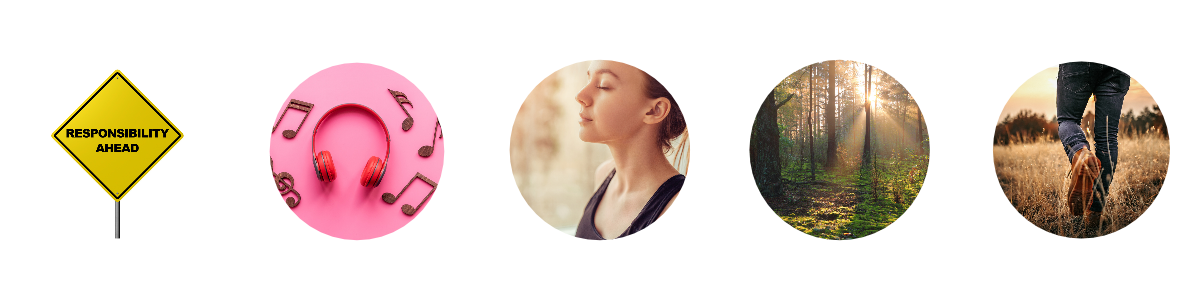
- Spend time outdoors in nature.
- Go for regular walks.
- Practise mindfulness or meditation.
- Try breathing exercises.
- Maintain meaningful social connections.
- Make time for hobbies.
- Listen to relaxing music.
- Avoid constantly overloading yourself with responsibilities.
Exercise can also have positive effects on mental wellbeing. Physical activity can help improve mood, reduce feelings of stress and support better sleep.
Never feel that you have to manage everything alone. If you experience persistent anxiety, low mood or symptoms of depression, consider speaking to a healthcare professional.
Taking care of your mental health is not a luxury. It is an essential part of living a healthy life.
7. Sleep Becomes More Important Than Ever
Getting enough quality sleep is essential at every age, but it can become increasingly important as we get older.
Sleep supports numerous processes, including memory, concentration, immune function, hormone regulation and physical recovery.
Unfortunately, many adults in their 40s and 50s experience problems with sleep.
Stress, changing routines, hormonal fluctuations, certain medications and lifestyle habits can all affect sleep quality.
Regularly getting insufficient sleep can leave you feeling tired, irritable and less motivated to exercise or prepare healthy meals.
How can you improve your sleep?
Try incorporating these simple habits into your daily routine:
- Go to bed and wake up at roughly the same time each day.
- Avoid caffeine late in the afternoon and evening.
- Reduce screen time before bedtime.
- Keep your bedroom cool, dark and comfortable.
- Avoid heavy meals immediately before going to bed.
- Get regular daylight exposure, particularly in the morning.
- Exercise regularly, but avoid intense workouts too close to bedtime if they affect your sleep.
If you regularly snore heavily, wake up gasping or experience persistent daytime tiredness, speak to your GP. Conditions such as sleep apnoea can affect sleep quality and overall health.
8. Eat Foods That Nourish Your Body
As we move through our 40s and beyond, nutrition becomes an important part of maintaining good health.
Your body needs a wide range of nutrients to support normal functioning, maintain muscle, protect bones and support the immune system.
Rather than focusing on restrictive diets, aim to eat a varied and balanced diet.
Some particularly beneficial food groups include:
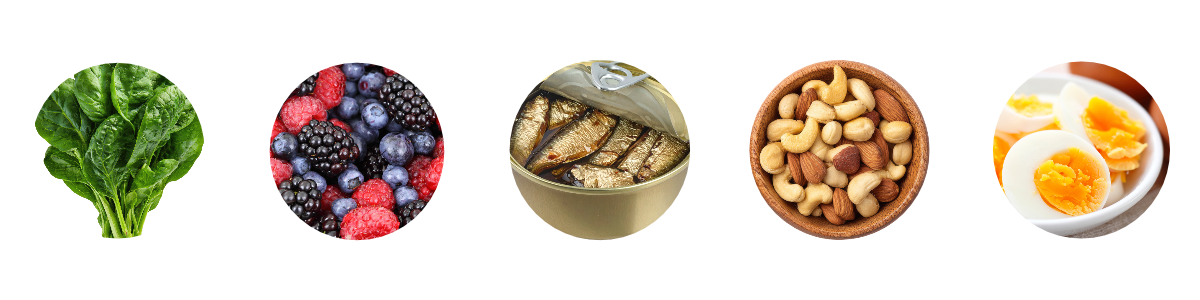
Leafy green vegetables
Spinach, kale and broccoli provide vitamins, minerals and fibre. They are also useful sources of nutrients that support general health.
Berries
Blueberries, strawberries and raspberries contain fibre and naturally occurring plant compounds called polyphenols.
Oily fish
Salmon, sardines and mackerel provide protein and omega-3 fatty acids.
Nuts and seeds
Almonds, walnuts, chia seeds and flaxseeds provide healthy fats, fibre and minerals.
Eggs
Eggs provide high-quality protein and several important nutrients, including vitamin B12 and choline.
Beans and lentils
These provide plant-based protein, fibre and minerals.
Whole grains
Oats, brown rice and wholegrain bread provide fibre and other nutrients that support a balanced diet.
Try to make whole, minimally processed foods the foundation of your everyday eating habits.
You do not have to eat perfectly. Consistency and variety are much more important than following a diet that is difficult to maintain.
9. Don’t Ignore Preventative Health Checks
One of the best things you can do after 40 is become more proactive about your healthcare.