
Introduction
Let’s face it — anxiety can wear you down. Some days it hums quietly in the background; other days, it takes over completely. If you’ve tried the usual tools — therapy, breathing exercises, maybe even medication — and still feel stuck, you’re not alone. That’s why many people are now exploring nutritional options like methyl folate for anxiety, as a way that may help support mood and promote calm.
Methyl folate is also known as L-methylfolate — and no, it’s not some trendy supplement. It’s the bioactive form of folate (vitamin B9), something your brain needs to function at its best.
What’s exciting is that methyl folate plays a big role in producing key brain chemicals — the ones that keep your mood stable and your nervous system calm. And for some people, especially those with certain genetic quirks or nutrient gaps, this simple nutrient could make a noticeable difference in how they feel.
In the next sections, we’ll walk through how methyl folate works, who’s most likely to benefit, what the science says, and how to use it safely — so you can decide if it’s worth trying for yourself.
What Is Methyl Folate?

What makes it different from standard folic acid?
Here’s where things get interesting: not all folate is created equal.
Most store-bought multivitamins and fortified foods use folic acid — the cheap, synthetic form of vitamin B9. But there’s a catch: your body can’t use folic acid as-is. It first has to go through a long chemical process to become methyl folate, the form your brain and cells can actually put to work.
And here’s the thing: up to 40% of people may carry an MTHFR gene mutation — most often the C677T variant — which can make this conversion process less efficient. In other words, even if you’re getting plenty of folic acid, your body might still fall short where it matters most.
That’s why L-methylfolate can be a helpful option for many. It skips the conversion step entirely and delivers folate in its ready-to-use, bioactive form — no extra work required.
The role of methyl folate in the body
So, what exactly does methyl folate do for you? A lot more than you might think:
- Acts as a cofactor in crucial biochemical reactions
- Supports DNA synthesis and repair, keeping cells healthy
- Drives methylation, a key process that helps control which genes turn on or off
- Converts homocysteine (a potentially harmful compound) into methionine, which supports heart and brain function
These aren’t just minor housekeeping tasks. They’re fundamental to keeping your mind and body in balance.
Why is methyl folate important for brain health?

When it comes to your brain, methyl folate wears many hats — but one of the biggest is fueling neurotransmitter production. Think of it like providing raw materials for your body’s mood-regulating messengers.
With adequate methyl folate, your brain is better equipped to support the production of:
- Serotonin — often associated with calm and emotional stability
- Dopamine — linked with motivation, pleasure, and focus
- Norepinephrine — plays a role in attention and the body’s stress response
But when those levels start to run low? That’s when things can unravel — and chances are, you’ll feel it. Without enough fuel for these processes, neurotransmitter production may slow, which can contribute to mood swings, irritability, heightened anxiety, or symptoms of depression.
How Does Methyl Folate Work in Relation to Anxiety?
The link between methyl folate and neurotransmitter production
Here’s the simple version: your brain runs on neurotransmitters — chemical messengers like serotonin, dopamine, and norepinephrine. And these messengers need methylfolate to be made in the first place.
Without enough levels, production slows to a crawl. The result? You may notice shifts in mood, focus, or energy — such as feeling less calm or more anxious.
That’s why restoring healthy methyl folate levels may help support balanced neurotransmitter activity, which could contribute to easing symptoms of anxiety.
The importance of serotonin, dopamine, and norepinephrine
These three little chemicals do a lot of the heavy lifting when it comes to mood:
- Serotonin: When it’s in short supply, you might feel more anxious, irritable, or struggle with sleep.
- Dopamine: Low dopamine often shows up as low motivation, fatigue, and poor stress resilience.
- Norepinephrine: An imbalance here can leave you feeling hyper-alert, jumpy, or prone to panic.
In other words, the better these systems function, the steadier and calmer your mood is likely to be.
How nutrient deficiencies can worsen anxiety symptoms
Now here’s where things get tricky: it’s not just genetics that can throw things off. Even without an MTHFR mutation, certain lifestyle factors can drain your folate reserves and make anxiety worse.
Common culprits include:
- Genetic MTHFR mutations — of course, this tops the list
- Diets lacking leafy greens, legumes, and whole foods
- Chronic stress, which rapidly burns through nutrient stores
- Regular alcohol use or smoking
- Certain medications (like anticonvulsants or methotrexate) that interfere with folate metabolism
When these factors deplete your folate (and related nutrients like B12 and B6), the entire methylation cycle can falter. And with it? Your ability to make neurotransmitters drops — often worsening symptoms of anxiety and nervous tension.
Who May Benefit from Methyl Folate for Anxiety?
Not everyone with anxiety needs methyl folate, but for some people, it can be a helpful addition. The key is understanding who’s most likely to be deficient and who may struggle to process regular folic acid.
Genetic factors: MTHFR mutations and their impact on folate metabolism
Here’s something you might not know: up to 40% of people may carry an MTHFR gene mutation. The most common form — called C677T — can reduce enzyme activity by 30% to 70%, which affects how well the body converts folic acid into usable L-methylfolate, the form needed to support brain and nervous system health.
What does that mean in everyday life? Even if you’re getting plenty of folic acid from supplements or fortified foods, your body might still struggle to turn it into the active form that your brain can use.
If you happen to have this genetic quirk, taking basic folic acid may not help your mood or your anxiety one bit. Adding bioavailable methyl folate can bypass this metabolic roadblock and support a more balanced brain chemistry.
Possible signs that may suggest low methyl folate levels
Wondering if low folate levels could be affecting how you feel? These symptoms are non-specific and may have many causes, but could suggest a need to explore folate status further:
- Frequent worry or heightened nervousness
- Poor stress resilience or feeling easily overwhelmed
- Low mood, sadness, or mild depression
- Fatigue or chronically low energy
- Difficulty concentrating or “brain fog”
- Trouble falling or staying asleep (insomnia)
- Family history of mood disorders or anxiety
Of course, these symptoms can have many possible causes, but if you notice several on this list and suspect low folate might be playing a role, it’s worth having a conversation with your healthcare provider.
Groups at higher risk for low methyl folate levels
Certain groups tend to have a higher likelihood of low folate status — either from genetics, absorption issues, or lifestyle factors. If you fall into one of these categories, you may want to pay extra attention:
- Those with confirmed MTHFR mutations
- Pregnant or breastfeeding women (higher folate demand)
- Individuals with gut issues like celiac or Crohn’s disease
- People who regularly consume alcohol
- Older adults (since absorption can decline with age)
- Vegans or anyone with a very restricted diet
If you’re in one of these groups and struggle with anxiety, supplementing with methyl folate may help support more balanced mood regulation.
Scientific Research on Methyl Folate and Anxiety Relief

So, what does the science say? Is methyl folate for anxiety a good option — or is there some real-world evidence to back it up?
Summary of clinical studies and evidence
To date, most of the published research has focused on L-methylfolate and its role in easing depression. Since anxiety and depression often overlap — and share many of the same neurotransmitter pathways — these findings are highly relevant.
Key studies worth knowing:
- 2012 trial (American Journal of Psychiatry): Patients with treatment-resistant depression who took 15 mg/day of L-methylfolate experienced significant improvements in mood compared to those taking an antidepressant alone.
- 2020 review (Nutrients journal): Highlighted folate’s vital role in reducing mood symptoms — especially in individuals with MTHFR mutations — by restoring proper methylation and neurotransmitter synthesis.
What the science says: does methyl folate reduce anxiety symptoms?
Large-scale trials specifically for anxiety are still limited, but some early research and clinical observations suggest that methyl folate may help support mood and emotional balance. However, more targeted studies are needed to better understand its effects on anxiety.
In many cases, patients who take methyl folate along with standard treatments (such as SSRIs) may notice improved mood, steadier emotions, and better stress resilience.
Limitations of current research and what’s still unknown
Of course, more research is needed. A few limitations to keep in mind:
- Most published studies still focus on depression, not anxiety alone
- We don’t yet have large, placebo-controlled trials for generalized anxiety disorder (GAD)
- Optimal dosage and treatment duration still vary based on individual factors
That said, for people with folate-related deficiencies or MTHFR variants, supplementing with L-methylfolate remains a promising, low-risk way to support better mood and nervous system health.
How to Choose the Right Methyl Folate Supplement
If you’re considering taking methyl folate for anxiety, the first step is picking the right kind — and yes, this matters more than you might think.
Understanding supplement labels: methyl folate vs. folic acid
Here’s rule #1: check the label carefully.
You want a product that lists:
- L-5-MTHF
- 5-MTHF
- Quatrefolic®
- L-methylfolate calcium
Avoid anything that only says “folic acid” — because it likely won’t provide the active form you need, especially if you have an MTHFR mutation.
Optimal dosage recommendations
When starting out, lower is better:
- Typical starter dose: 400 mcg to 1 mg/day
- Therapeutic doses: up to 15 mg/day (only under medical supervision)
- Always begin low and monitor how you feel
Active forms to look for
For best absorption and benefits, stick with these active forms:
- L-5-MTHF
- 5-MTHF
- Quatrefolic®
These options bypass conversion issues and give your body ready-to-use folate.
Quality and purity considerations when selecting supplements
Not all brands are created equal — so a little label-sleuthing goes a long way.
Look for:
- Reputable companies with transparent sourcing
- Third-party testing (look for seals like USP, NSF, ConsumerLab)
- Avoid cheap fillers, dyes, or untested additives

Potential Side Effects and Risks of Using Methyl Folate
Like anything, methyl folate isn’t one-size-fits-all. Some folks tolerate it beautifully. Others? Not so much — especially at higher doses.
Common side effects and how to manage them
Some people experience mild side effects, particularly if they ramp up dosing too quickly:
- Headache
- Nausea
- Increased feelings of anxiety (paradoxical reaction)
- Insomnia or trouble winding down at night
Pro tip: Start with low doses, combine with B12 and B6, and take with food to minimize unwanted effects.
Who should be cautious or avoid using methyl folate
In some situations, extra caution is smart:
- Individuals with bipolar disorder (may trigger mania)
- Those with seizure disorders
- Anyone sensitive to methyl donors (can cause jitteriness at higher doses)
If in doubt? It’s always smart to check in with your healthcare provider first — just to be sure.
Possible interactions with medications or other supplements
Keep in mind that methyl folate may interact with certain meds:
- SSRIs and SNRIs — may enhance their effects (sometimes helpful, but worth monitoring)
- Anticonvulsants — possible interaction (check with your doctor)
- Methotrexate — definitely requires guidance, since folate can counteract its effects
Tips for Using Methyl Folate Safely for Anxiety
Like with any supplement, it pays to go in with a plan. A little strategy on how you take it can make a big difference in how you feel. Below are some simple tips to help you start safely and get the best possible results.
Starting with the right dosage
When it comes to methyl folate, less is often more — at least in the beginning. It’s tempting to jump in with a high dose, but that can sometimes backfire. Here’s a smarter approach:
- Begin with 400 mcg/day
- Increase the dose gradually, week by week
- Pay attention to how your body responds
- Watch for any side effects, and adjust if needed
Many people find that starting low and slow gives their system time to adapt — which often leads to better mood benefits and fewer unwanted effects.
Combining methyl folate with other supportive nutrients
One way to enhance the potential benefits of methyl folate for anxiety is by pairing it with a few key nutrients that support healthy methylation and neurotransmitter production. is by pairing it with a few key nutrients that support healthy methylation and neurotransmitter production:
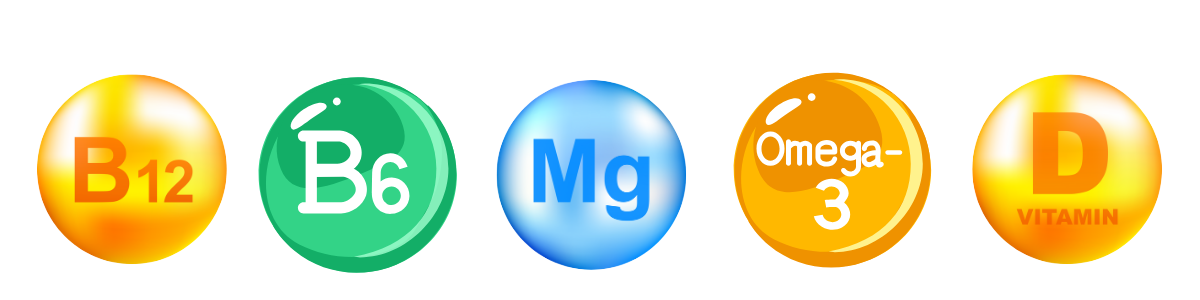
- Vitamin B12 (methylcobalamin) — prevents “methyl trap” and helps balance methylation
- Vitamin B6 (P-5-P) — another crucial cofactor for neurotransmitters
- Magnesium — supports relaxation and calm
- Omega-3 fatty acids — known to improve mood and reduce inflammation Read more here
- Vitamin D — often linked with mood stability Learn more
When used together, these nutrients create a solid foundation for supporting emotional wellness and resilience.
Working with a healthcare provider to tailor your approach
Because genetics and nutrient needs vary so much from person to person, it’s wise to personalize your strategy. Here’s how:
- Consider getting genetic testing to check for MTHFR mutations
- Partner with a knowledgeable doctor or nutritionist who understands methylation
- Monitor your nutrient levels over time to avoid imbalances
This collaborative approach can help you find the right dose and avoid the trial-and-error frustrations that many people face when starting to use methyl folate for anxiety.
Frequently Asked Questions (FAQ)
How long does it take for methylfolate to work for anxiety?
It varies — but here’s a rough timeline:
- Some people feel a difference in 2 to 4 weeks
- For deeper, more lasting changes, it often takes 6 to 12 weeks
Patience pays off here. Stay with it — your body often needs time to settle in and respond.
Can methyl folate be used alongside prescription medications?
Yes — in fact, many doctors recommend adding methyl folate to standard treatments (like SSRIs or SNRIs) for improved results. That said:
Always talk to your doctor first, especially if you’re taking any prescription medications.
Is it safe to take methyl folate daily?
For most people, yes — as long as you stick to recommended doses and monitor how you feel. Like any supplement, more is not always better.
Start low, go slow, and watch for any side effects along the way.
What happens if you take too much methyl folate?
If your dose is too high, you might experience:
- Irritability or feeling “wired”
- Trouble sleeping (insomnia)
- Increased feelings of anxiety
If this happens, simply lower the dose — or pause for a bit — and symptoms typically resolve.
Should I test for MTHFR before trying methyl folate?
Testing can be helpful, especially if you’re curious about your genetics — but it’s not required. Many people notice benefits from methyl folate even without formal MTHFR testing.
If in doubt, talk to your healthcare provider about whether testing makes sense for you.
Conclusion
Methyl folate may offer a promising option for those managing anxiety, especially when genetics or nutrient deficiencies are part of the picture. By fueling neurotransmitter production and supporting brain chemistry, this humble nutrient may help promote calm and support mood.
While we still need more research specifically targeting anxiety, the early evidence is encouraging — and many individuals have shared anecdotal improvements in mood and well-being after adding methyl folate to their routine, though more formal research is still needed.
Of course, it’s always wise to work with your doctor before starting any new supplement. But with the right plan — and the right support — L-methylfolate may be a helpful tool for some when thoughtfully integrated into a broader mental wellness strategy.
.